The Taoist Path of Inner Protection
The Strongest Protection Begins Within
Taoist practice does not rely entirely on objects outside the body.
Talismans can assist. Ritual implements can assist. But the deeper foundation is cultivation.
心正 · 炁足 · 神定
Upright Heart · Abundant Qi · Settled Spirit
01 — 心正 · Upright Heart
How we think and act matters. Sincerity, restraint and right conduct are themselves part of Taoist cultivation.
A person cannot separate spiritual protection completely from the way they live.
02 — 炁足 · Abundant Qi
Taoist cultivation places great importance on preserving and regulating Qi (炁).
Breathing, stillness, movement and internal practice help the practitioner gather rather than scatter vitality.
The external object supports the person. It does not replace the person.
03 — 神定 · Settled Spirit
Fear scatters the mind. Taoist practice emphasizes returning to stillness and keeping the spirit settled, especially when facing uncertainty or disturbance.
Recitation, breathing, meditation and visualization can all support this process.
04 — The Golden Light Incantation
One well-known Taoist protective practice is the Golden Light Incantation (金光神咒).
體有金光,覆映吾身。
“The body possesses golden light, covering and illuminating my body.”
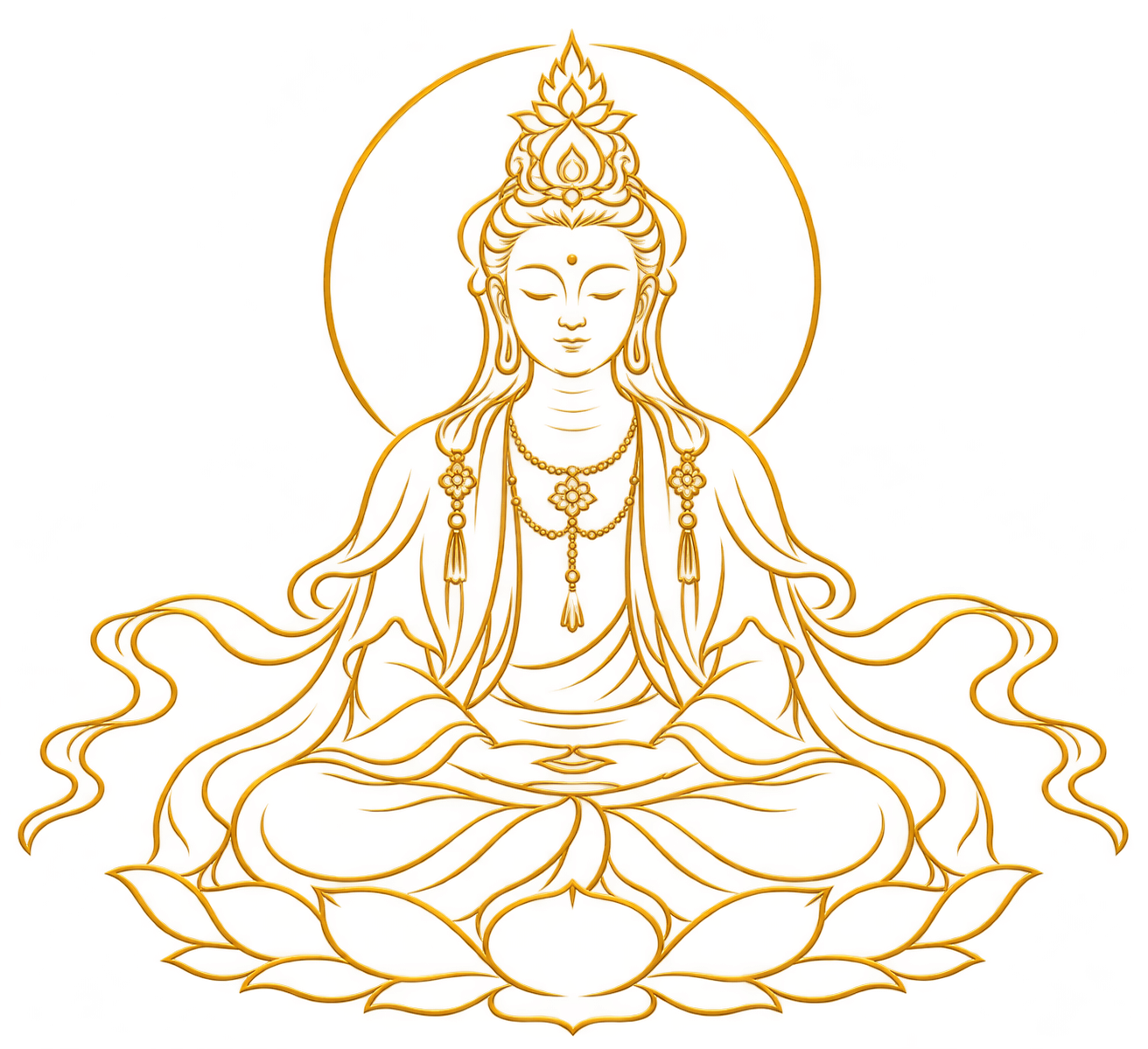
During practice, golden radiance may be visualized gathering within the body and surrounding it, while the breath and mind gradually become settled.
The purpose is not merely to imagine a supernatural shield. It is to bring breath, intention and spirit into one place.
External and Internal Work Together
Taoism does not require us to choose between talismans and cultivation.
The talisman reminds.
The ritual supports.
The practice transforms.
This is the deeper meaning of Taoist protection: 心正 · 炁足 · 神定 — Upright Heart · Abundant Qi · Settled Spirit.